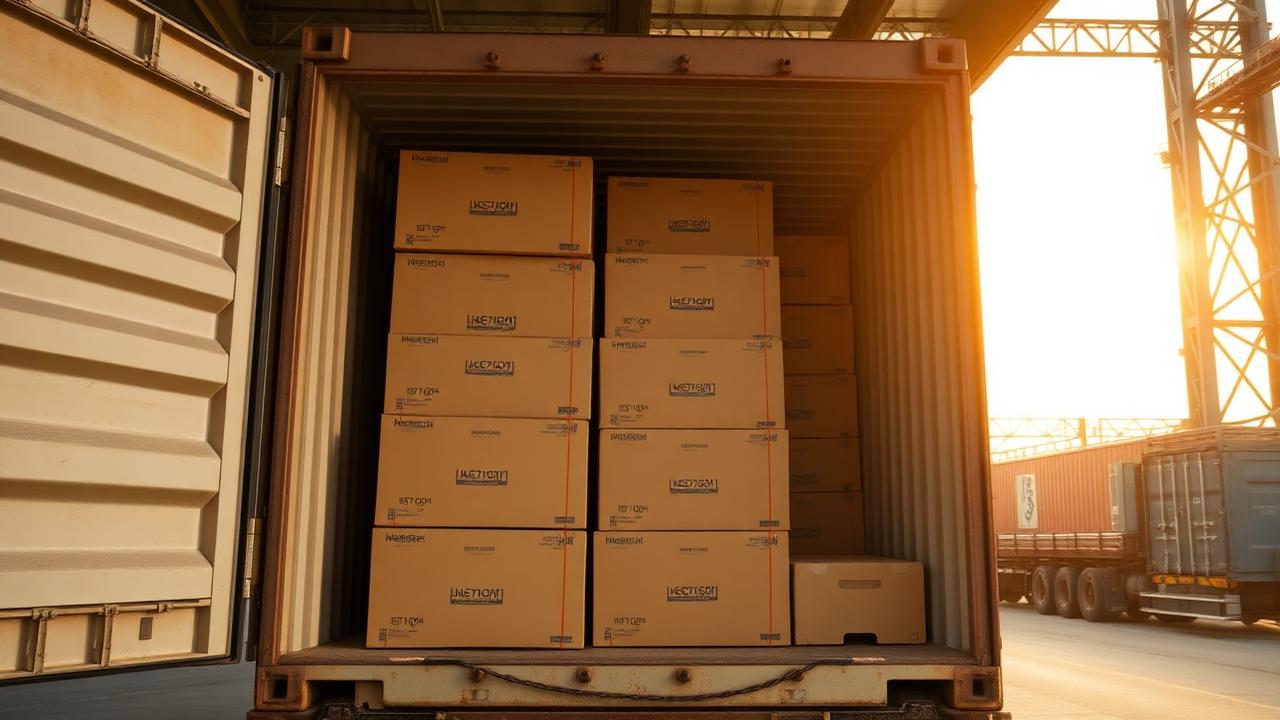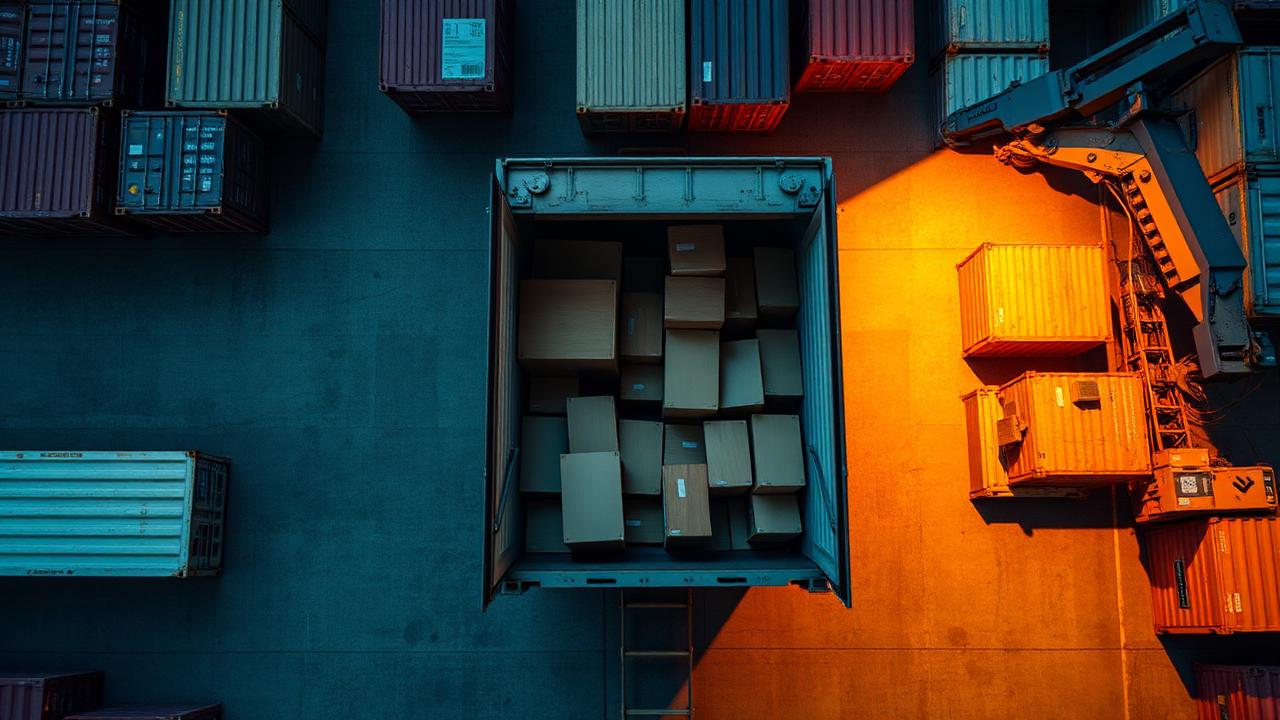

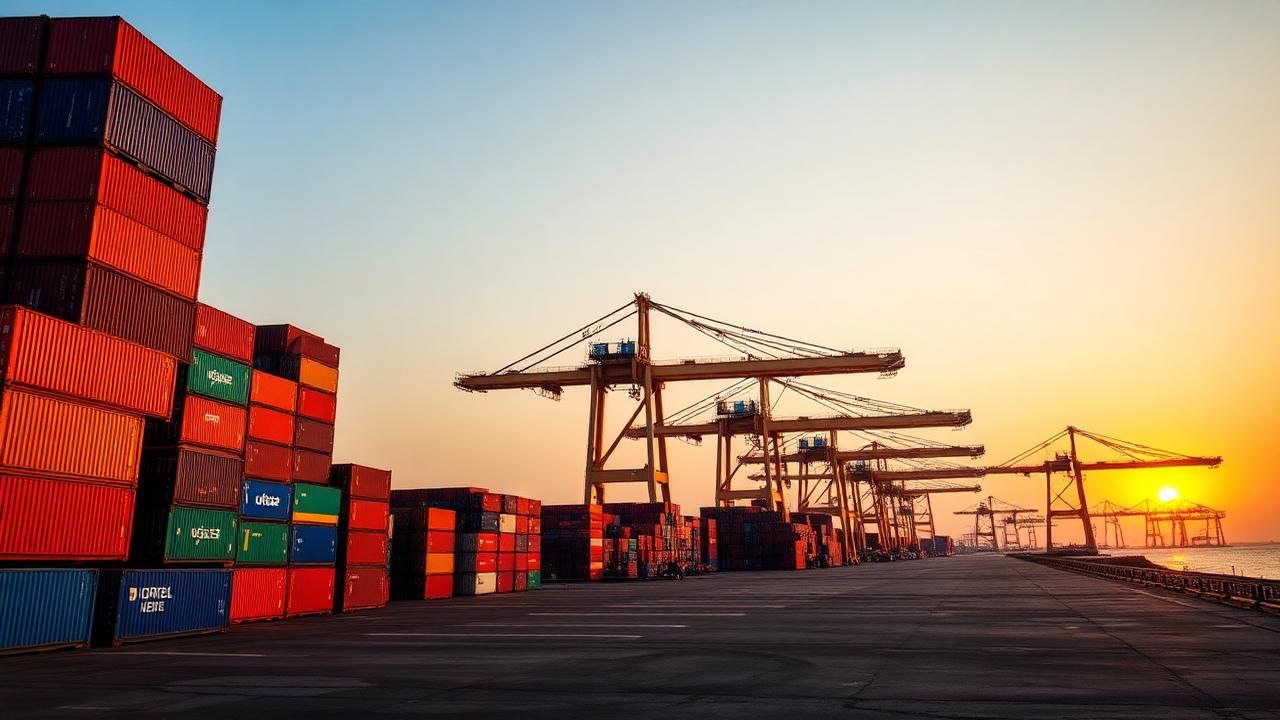
Your supplier's choice of port shapes more of your import experience than most buyers realize: transit time, cost, customs speed, even the risk of detention. For furniture exporters in western India, three ports dominate the conversation: Mundra, Nhava Sheva (JNPT) and Hazira. Each one tells you something different about how your container will travel.
MUNDRA — THE QUIET GIANT
Mundra Port in Gujarat is operated by Adani Ports and is the largest commercial port in India by total cargo volume. For furniture exports specifically, in recent months Mundra moved INR 166.79 crore across 9,785 shipments under wooden furniture — making it the leading sea port for Indian furniture exports (and the second largest furniture export gateway overall, behind only the Thar Dry Port ICD which feeds into it).
Why Mundra works for furniture:
- Deep-water berths take the largest vessels — direct services to US East Coast, US West Coast, Northern Europe, Mediterranean, Middle East
- Dedicated container terminals with high crane productivity
- Strong rail and road connectivity to Rajkot, Ahmedabad, Jaipur, Jodhpur — the entire furniture cluster of western India loads here
- Customs clearance times are typically faster than legacy ports because of the EDI infrastructure and the volume of repeat exporters
Mundra's strategic advantage for furniture is that it shortens the inland leg from Rajkot, Jodhpur or Saharanpur compared with routing to Nhava Sheva (Mumbai). For a 40' container loaded in Rajkot, the trucking cost saving and the 1–2 days of inland time saved often pays for itself in vessel choice flexibility.
HAZIRA — THE GROWING ALTERNATIVE
Hazira Port near Surat, operated by Adani-Hazira, is smaller than Mundra but increasingly relevant for furniture exporters in central and southern Gujarat. recent months furniture export volume from Hazira was INR 13.60 crore across 499 shipments.
Why Hazira matters:
- Closer to Surat, Vapi and Bharuch industrial belts
- Shorter inland leg for exporters in southern Gujarat
- Less congestion than Mundra during peak season
- Improving direct services to Europe and Middle East
For a Rajkot-based exporter, Mundra is usually the first choice. For Surat-area exporters or for buyers prioritizing schedule reliability over absolute lowest cost during peak, Hazira is a legitimate alternative worth pricing.
NHAVA SHEVA (JNPT) — STILL THE HEAVYWEIGHT
JNPT Nhava Sheva near Mumbai handled INR 105.32 crore of furniture exports in recent months across 6,319 shipments. JNPT remains the default gateway for furniture exporters from Maharashtra and is still a major option for Gujarat exporters serving routes where the JNPT vessel schedule is better than Mundra's for a specific destination.
THE INLAND PORTS THAT FEED THE SEA PORTS
The dominant point in the D' Emporio proprietary research is that the single largest furniture export "port" is not a sea port at all — it's the Thar Dry Port ICD at Jodhpur, which handled INR 194.30 crore in recent months. ICDs (Inland Container Depots) let exporters in Jodhpur, Saharanpur and other inland clusters clear customs locally and rail the sealed container to a sea port for vessel loading.
Other major ICDs feeding furniture exports include CONCOR Jodhpur, Kanakpura, Pakwara Moradabad and Piyala. Most of this volume eventually loads at Mundra or Nhava Sheva. The implication for buyers: when you see "ICD Jodhpur" on your shipping document, the container is still going to a Gujarat sea port — it just cleared customs upstream.
WHAT THIS MEANS FOR YOU AS A BUYER
A few practical points:
- Ask your supplier which sea port and ICD they use as default — and which alternative is available if the default is congested
- Mundra → US East Coast typical transit: 28–35 days
- Mundra → Rotterdam typical transit: 22–28 days
- Mundra → Jebel Ali UAE typical transit: 6–9 days
- Mundra → Sydney typical transit: 22–28 days
- Nhava Sheva transit times are broadly comparable; Hazira slightly longer on some long-haul routes due to fewer direct services
Schedule reliability matters more than absolute transit on furniture programs where the receiving warehouse is booked. Ask your supplier and your freight forwarder for the on-time performance of the specific vessel service, not the headline transit.
WHY GUJARAT'S PORT NETWORK FAVORS FURNITURE EXPORTERS
Three Gujarat ports — Mundra, Hazira and Pipavav — together handle the majority of India's container exports. For a furniture buyer importing from Gujarat-based factories (including Rajkot, Ahmedabad, Surat and Morbi clusters), this density of port options is a structural advantage. Vessel options are wider, congestion risk is spread across three ports, and inland trucking distances are short. This is the quiet logistics reason Gujarat keeps growing as a furniture export hub.
Frequently asked
Which port does D' Emporio Global ship from?
Default is Mundra. Hazira and Nhava Sheva are used when vessel schedules favor them for a specific destination.
How much does port choice affect my landed cost?
Typically USD 50–200 per 40' HC on the freight side, plus or minus 2–7 days on transit. Material for tight programs.
Can I specify a port in my PO?
Yes. Larger buyers do specify a port of loading. The trade-off is reduced vessel flexibility.
Statistics referenced in this briefing are drawn from D' Emporio's proprietary research and stakeholder knowledge. The information remains the proprietary information of D' Emporio Global Pvt. Ltd.