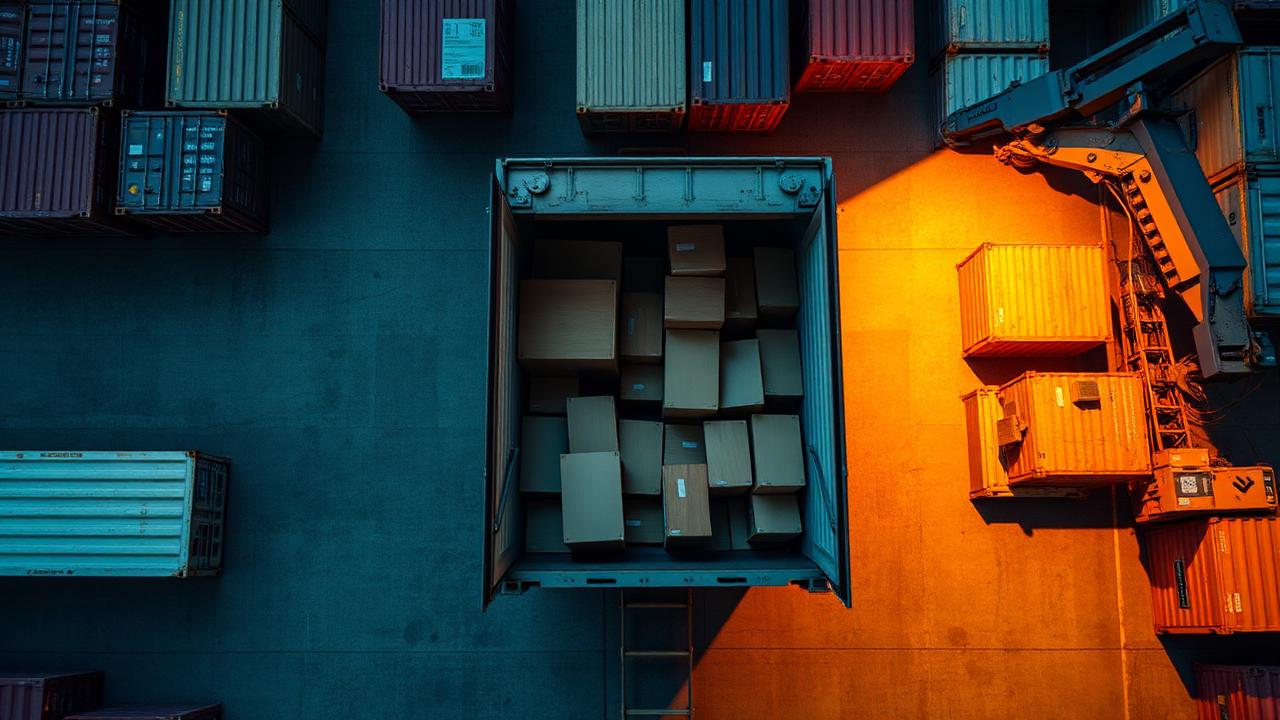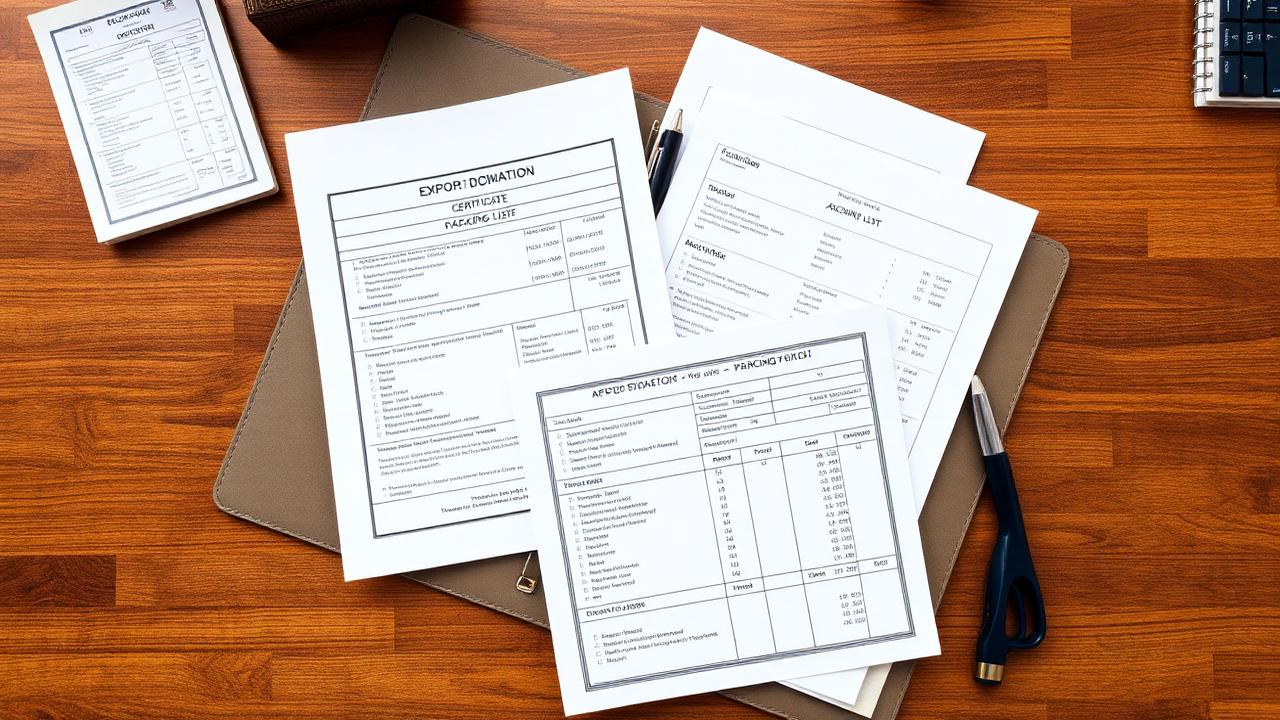

KD — short for knock-down, sometimes called RTA (ready-to-assemble) — is furniture engineered to ship in pieces and assemble at destination. Done right, it can double the unit count per container, cut breakage in transit and unlock markets that fully assembled furniture cannot reach by ocean freight. Done wrong, it generates more returns than revenue. This is the buyer's-side view.
The container math, in plain numbers
A 40' high-cube container has roughly 76 CBM of usable internal volume.
- A fully assembled six-seater solid-wood dining table occupies about 1.2–1.5 CBM with cardboard and protective wrap. That's roughly 50–63 tables per 40' HC.
- The same dining table flat-packed (top, legs, hardware bag) occupies about 0.4–0.6 CBM. That's roughly 125–190 units per 40' HC.
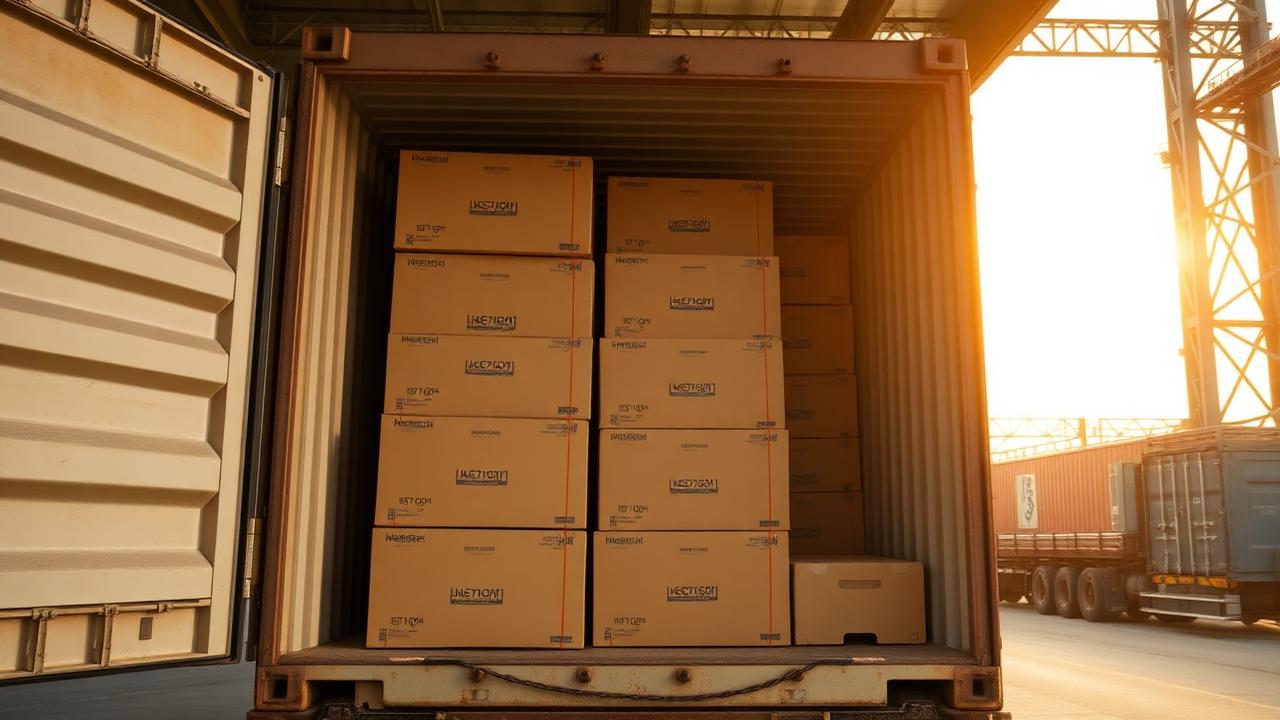
The freight cost per unit drops in roughly the same ratio. For programs shipping at scale to North America, the EU or the Middle East, the freight saving is rarely the only justification, but it is usually the deciding number on the spreadsheet.
Where KD genuinely helps
- Programs to the US, EU and Australia where ocean freight per CBM is significant
- E-commerce / marketplace SKUs where the end customer expects flat-packed delivery
- Hotel fit-outs being trucked from a destination port to inland sites
- Office and contract programs where on-site assembly is normal anyway
- Furniture brands building dealer-stock that has to move on a pallet
Where assembled is still the right call
- High-end hospitality lobby pieces (sofas, sculpted armchairs) where the joinery is the design statement
- Pieces with continuous upholstery that cannot survive disassembly
- Programs where end-customer assembly will visibly degrade the brand
- Small-batch designer pieces shipping in low quantity — the engineering investment doesn't pay back
What KD requires from the manufacturer
This is where most KD programs go wrong. Designing for knock-down is not the same as designing for assembly and then breaking the piece apart. A piece engineered properly for KD has:
- Hardware sized to be tightenable with a single Allen key without a torque wrench
- Connectors (cam-locks, dowels, threaded inserts) embedded into solid timber or pressed panels with the correct edge distance
- Tolerances that survive cross-equatorial humidity changes
- A carton with a printed assembly leaflet that someone with no furniture-assembly experience can follow
- A fittings bag where every screw is in a labelled compartment, never loose in the carton
If the supplier's "KD" sample comes back with the dining table top slightly bowing where the corner brackets bite in, walk away from the program before bulk.
Carton spec is half the work
Edge crush test (ECT) of the corrugated cardboard, foam corner protectors, double-wall in two layers around the table top, separator boards between the leg stack and the top — none of this is optional. A KD program that ships in single-wall cartons will return broken pieces no matter how good the joinery is.
What it costs to set up
Plan for:
- An engineering / sampling fee covering the design-for-KD work (one-time, usually USD 200–600 per SKU)
- A slightly higher per-unit price on the first 100–200 units while the carton and fittings bag are stabilised
- A returnable carton sample sent to your warehouse to test handling
After that, every container saves money for the life of the program.
Frequently asked
Is KD furniture lower quality than assembled?
Not inherently. Quality is in the joinery design and component spec. A well-engineered KD dining table from a serious workshop is mechanically as strong as the assembled version.
What is a realistic MOQ for a KD program from India?
For a new SKU, sampling can start from a single unit. Bulk programs typically start from a 20' DV (around 30 CBM) of the SKU.
Do you provide an assembly leaflet in our language?
Yes. Multilingual assembly leaflets are part of the standard KD spec — we set the language at PO stage.
Statistics referenced in this briefing are drawn from D' Emporio's proprietary research and stakeholder knowledge. The information remains the proprietary information of D' Emporio Global Pvt. Ltd.