
Before you sign a PO, you need to know roughly how much will physically fit in a container, and which container you should ask for. This briefing gives realistic loading ranges by product type, the working assumptions behind them, and the things that move the number on the day.
Container internal volumes — the baselines
Internal usable volume (rounded, after pallet/loading allowance):
- 20' DV (dry van) : ~28 CBM usable
- 40' DV : ~58 CBM usable
- 40' HC (high cube) : ~68–76 CBM usable
- 45' HC : ~78–85 CBM usable
The HC variant adds about a foot of internal height — useful for upright sofa shipment and tall wardrobes. For most furniture programs, 40' HC is the workhorse.
Indicative loading ranges by category
These are realistic ranges based on standard packaging. Your supplier's exact carton dimensions will shift these by 10–20% either way.
| Product | 20' DV | 40' DV | 40' HC |
| --- | --- | --- | --- |
| 3-seater sofa (assembled) | 14–18 | 28–36 | 36–46 |
| 3-seater sofa (KD) | 28–35 | 56–70 | 72–88 |
| Armchair (assembled) | 30–40 | 60–80 | 78–100 |
| 6-seater dining table (assembled) | 18–22 | 36–44 | 50–63 |
| 6-seater dining table (KD)| 45–60 | 90–120 | 125–190 |
| Dining chair (stackable) | 280–360 | 560–720 | 720–900 |
| Dining chair (non-stack) | 140–180 | 280–360 | 380–460 |
| Office desk (assembled) | 30–40 | 60–80 | 80–100 |
| Office desk (KD) | 70–90 | 140–180 | 180–230 |
| Counter stool (stackable) | 200–260 | 400–520 | 540–680 |
These figures assume mixed-SKU loading is not happening — pure SKU loads run more efficiently than mixed.
Six things that change the number on the day
- Carton size discipline. If the carton is 5 cm larger on each
side than spec'd, you lose 8–10% of the load. Carton control is half the work.
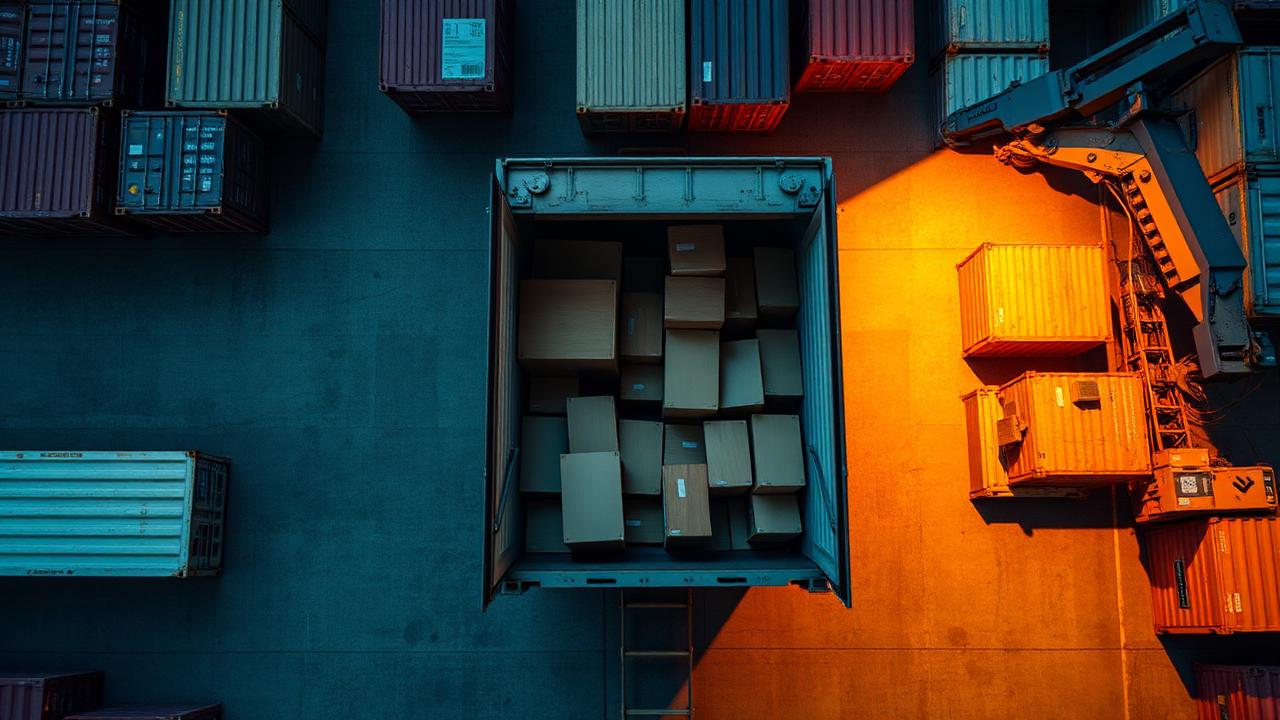
- Floor loading vs palletised. Palletising costs CBM. A floor-loaded
container fits 12–18% more units. Some destination ports require palletised — confirm with the freight forwarder.
- Container shape vs unit shape. A six-seater dining table at
180 × 90 cm sits at an awkward angle in a 234 cm wide container. Some SKUs lose 5 CBM to "stacking penalty" before the loading crew has done anything wrong.
- Fragile / non-stackable markers. Lobby sofas and centerpiece
armchairs cannot have anything stacked on top. You lose vertical real estate.
- Humidity packing. Loads bound for tropical climates ship with
silica or VCI packs and extra cartoning — that adds CBM.
- Heavy item placement. Cast-iron base center tables and stone-top
dining tables have to be near the door for forklift unloading. This sometimes wastes a tier of stacking near the rear of the container.
How we quote it
We quote loading numbers in two stages:
- Pre-sample stage — Indicative loading based on the table above and the closest comparable SKU we have shipped.
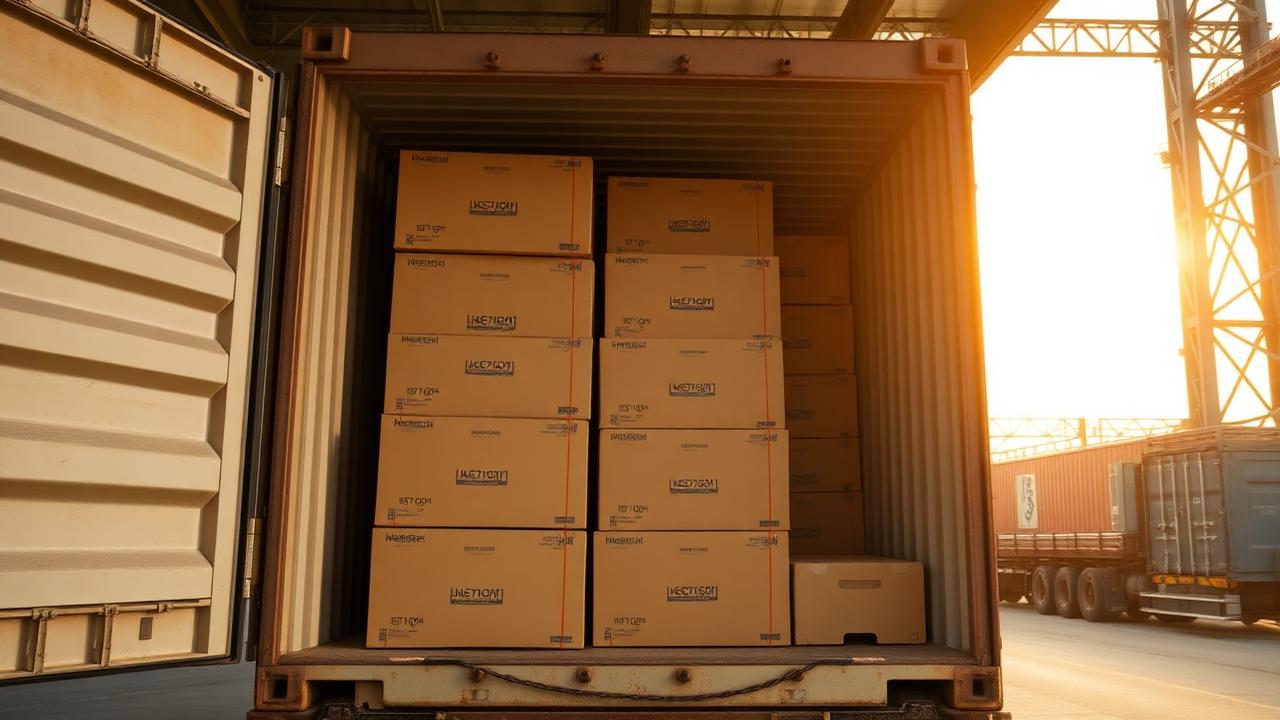
- Post-sample stage — Exact loading, tested by physically packing the approved sample carton on a dummy container floor at the workshop. Photos are sent before the PO is closed.
The pre-sample number is honest, but it is a range. The post-sample number is the one you can put in your sourcing spreadsheet.
A practical test before you buy
Ask any supplier for the carton outer dimensions (length × width × height) of the SKU and the per-carton net + gross weight. Three numbers. A supplier who cannot give those in 24 hours has not packed the SKU before. A supplier who gives them in five minutes has shipped it many times.
Frequently asked
Should I ship 20', 40' DV or 40' HC?
For furniture, 40' HC is almost always the most cost-efficient per unit unless the destination port can only receive 20' containers or your monthly volume is genuinely below a 40' load.
Can I mix SKUs in one container?
Yes — most B2B programs do. The loading efficiency is slightly lower than a pure SKU load, but the inventory benefit usually outweighs the CBM loss.
Will you send a pre-loading photo before sealing the container?
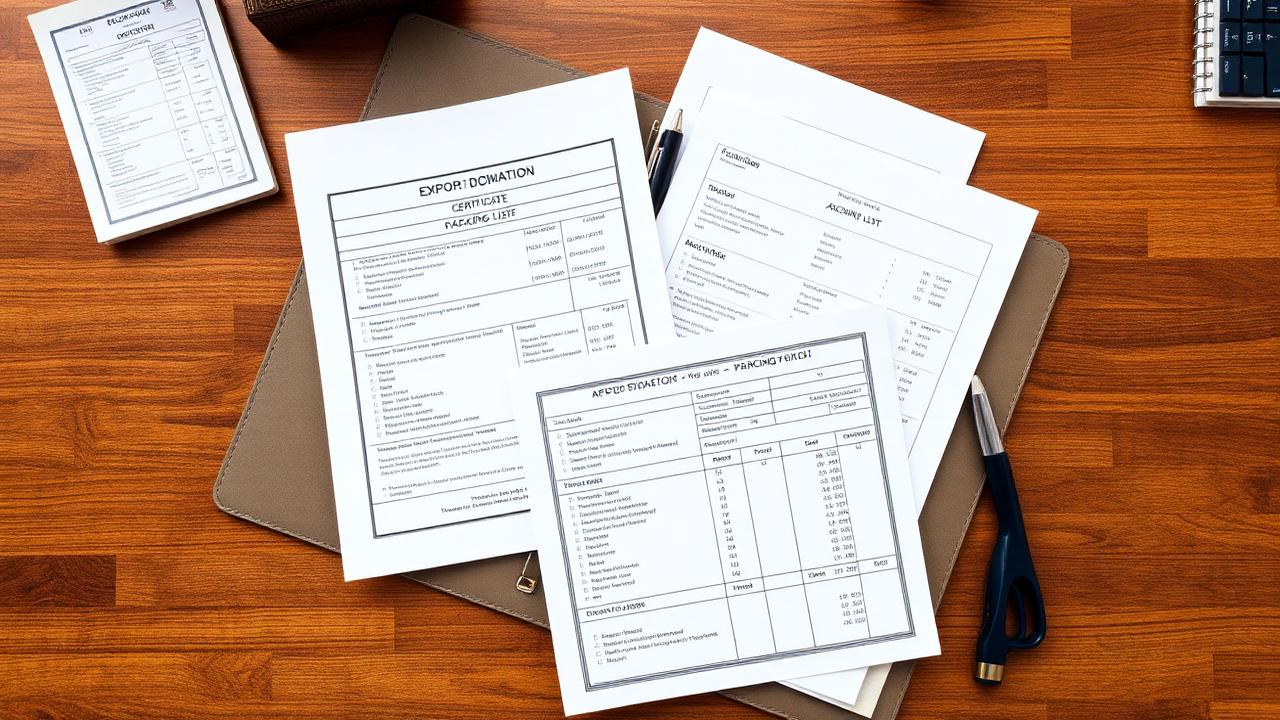
Yes. We send container loading photos before the seal is applied, and the BL once the vessel sails.
Statistics referenced in this briefing are drawn from D' Emporio's proprietary research and stakeholder knowledge. The information remains the proprietary information of D' Emporio Global Pvt. Ltd.