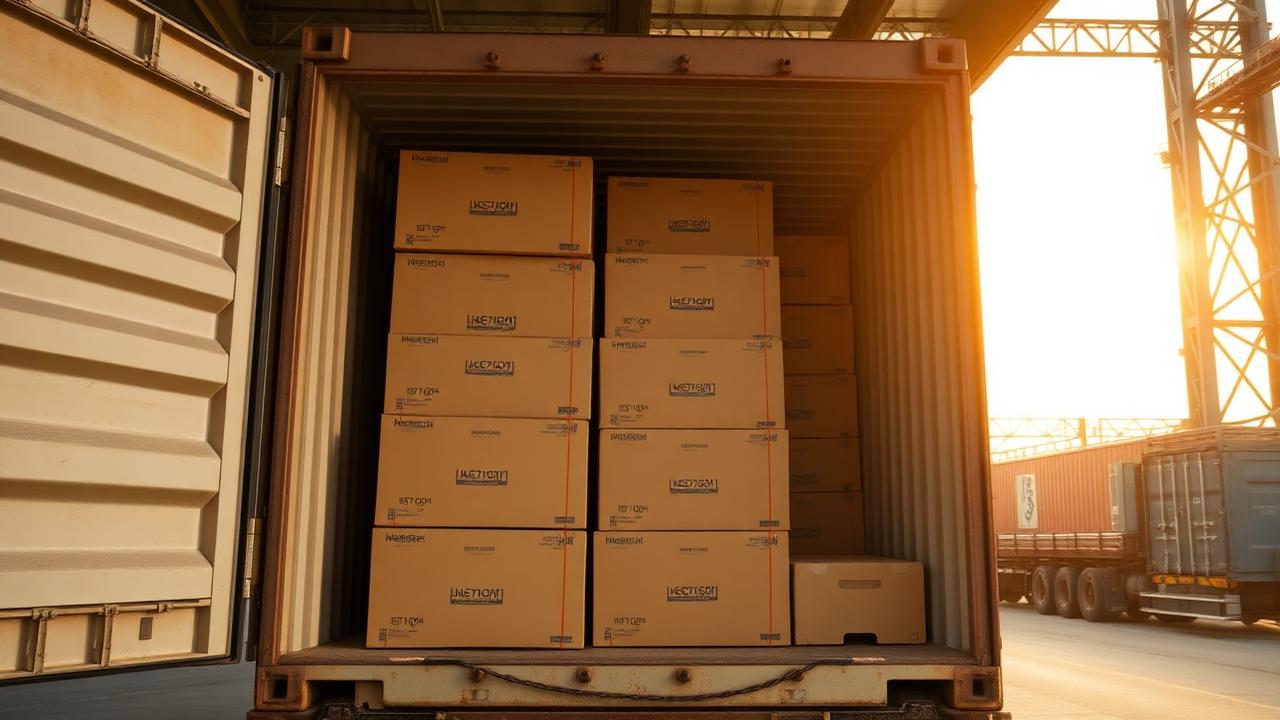

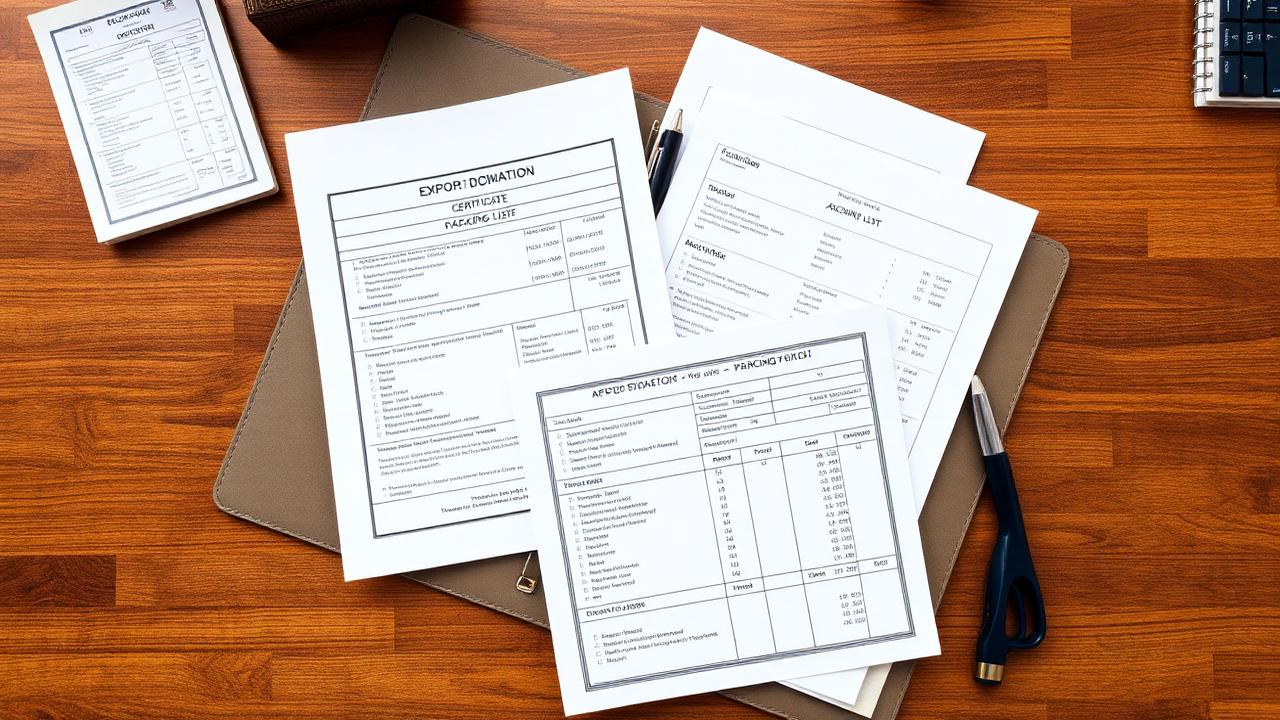
Importing furniture from India means handling roughly a dozen documents. Lose one and the container sits at port. Get all of them right and the box clears customs in 48 hours. This is the working list, in the order they typically appear in a program.
BEFORE PRODUCTION
PI — Proforma Invoice The PI is the supplier's formal offer. It locks in: product description with HS code, quantity, unit price, total FOB or CIF, currency, payment terms, lead time, port of loading, port of destination, packing description. The PI is what your finance team uses to release the deposit. Treat it like a contract — every line that matters in the PO should already be in the PI.
PO — Purchase Order Your formal instruction to manufacture. Should match the PI line by line. Adds: PO number, internal references, billing address, ship-to address, any specific carton or barcode instructions, agreed despatch and document deadlines.
DURING PRODUCTION
QC reports — pre-shipment inspection (PSI) and during-production inspection (DPI) reports if you are using a third-party inspection agency (SGS, Intertek, Bureau Veritas, TUV). Not strictly customs documents but often required by retail buyers for shelf acceptance.
AT SHIPMENT
CI — Commercial Invoice The customs document. The CI is what your destination customs authority uses to calculate duty. Must match the PI on description, HS code, value, currency, Incoterms (FOB / CIF / DAP / DDP), and the named consignee. The single most common cause of customs delay: a CI that does not match the BL on weight, package count or description.
Packing List Carton-by-carton breakdown. Carton number, dimensions, gross and net weight, contents, master carton or inner carton. The packing list is what the destination warehouse uses to verify receipt and what the freight forwarder uses to plan handling.
BL — Bill of Lading Issued by the shipping line (or NVOCC). Three originals unless waived. The BL is the title document — whoever has the original BL controls the container. Two payment models: Original BL (you receive originals after final payment and hand them at destination), or Telex Release (BL marked surrendered, container is released electronically at destination). Telex Release is faster but requires a trusted payment relationship.
COO — Certificate of Origin Required for most destinations. India issues two main types:
- Non-preferential COO (Chamber of Commerce stamped) for general customs purposes
- Preferential COO under FTAs — e.g. India-UAE CEPA, India-Australia ECTA, India-UK FTA — for reduced duty Choose the right one. A preferential COO under a wrong FTA is a serious issue at destination.
Phytosanitary Certificate Required for any product containing untreated wood, bamboo, cane, rattan or plant fiber. Issued by India's Plant Quarantine authority. Confirms the consignment is pest-free.
ISPM-15 Fumigation Certificate Required for all wooden packaging material (pallets, crates, dunnage). The pallet must carry the IPPC stamp (a wheat ear, IN country code, treatment provider code, HT for heat treatment or MB for methyl bromide). For furniture made of solid wood the furniture itself usually does not need ISPM-15 if it's finished and manufactured — but the pallet underneath does.
MSDS — Material Safety Data Sheet Required if your finish, foam, glue or upholstery treatment is regulated. Most US and EU buyers ask for an MSDS pack with: finish chemicals, foam (fire retardant treatment), adhesives, and any coating.
FSC Chain-of-Custody Documents If the program is sold as FSC-certified, you need: supplier's CoC certificate number, the invoice claim (FSC 100%, FSC Mix, FSC Recycled), and the percentage where applicable. The CoC claim must appear on the CI.
BIFMA / Compliance Certificates For contract programs: the BIFMA test report, the GREENGUARD report (if claimed), the CARB Phase 2 / TSCA Title VI compliance letter (for engineered wood entering the US).
PAYMENT DOCUMENTS
Beneficiary's Certificate, Letter of Credit set (if applicable), Bank Realisation Certificate (BRC) — the BRC is on the supplier side, but if you operate under L/C, the document set you present to the issuing bank must be perfect.
A SIMPLE CHECKLIST YOU CAN STEAL
For a typical 1 x 40' HC of finished furniture from India to the US or EU, this is the document pack at handover:
[ ] Commercial Invoice (matches PI, signed) [ ] Packing List (carton-by-carton) [ ] Bill of Lading (3 originals OR telex release) [ ] Certificate of Origin (chamber-stamped) [ ] Phytosanitary Certificate [ ] ISPM-15 fumigation certificate (pallets) [ ] FSC CoC claim documents (if applicable) [ ] BIFMA / GREENGUARD / CARB letters (if applicable) [ ] MSDS pack (if applicable) [ ] Pre-shipment inspection report (if applicable) [ ] PSI photos / videos (good practice, not customs) [ ] Any preferential FTA paperwork (if applicable)
A serious supplier sends this pack inside 48 hours of vessel sailing. If your supplier needs three weeks, that's a signal about the rest of the relationship.
THE TWO MISTAKES THAT COST BUYERS THE MOST MONEY
First, mismatched HS codes between PI, PO, CI and BL. The CI should use the HS code your destination customs broker recommends, not the one your supplier prefers. Confirm with your broker before the CI is finalized.
Second, valuing the CI lower than the actual transaction. Buyers sometimes ask suppliers to undervalue the CI to reduce duty. This is illegal and the penalties at destination (US CBP, EU customs, UK HMRC) are far higher than any duty saved. Do not do this.
Frequently asked
Who issues the COO?
An authorized chamber of commerce in India, or in the case of an FTA-preferential COO, the relevant agency designated by the Indian government.
Is ISPM-15 needed for KD furniture in cartons?
For the cartons, no (cardboard is exempt). For any wooden pallet underneath the cartons, yes. Confirm carton-only palletization with your supplier if you want to skip fumigation.
How long does the documentation take after sailing?
Typical: 48–72 hours for full document set. Some banks and CHA loops add 3–5 days.
Statistics referenced in this briefing are drawn from D' Emporio's proprietary research and stakeholder knowledge. The information remains the proprietary information of D' Emporio Global Pvt. Ltd.