

There are two ways to buy furniture from India.
The first is catalog-led. You receive a PDF of 80 SKUs, you pick five, you negotiate a price, you ship a container. It's fast, predictable, transactional. Most volume buyers operate this way and most of the time it works.
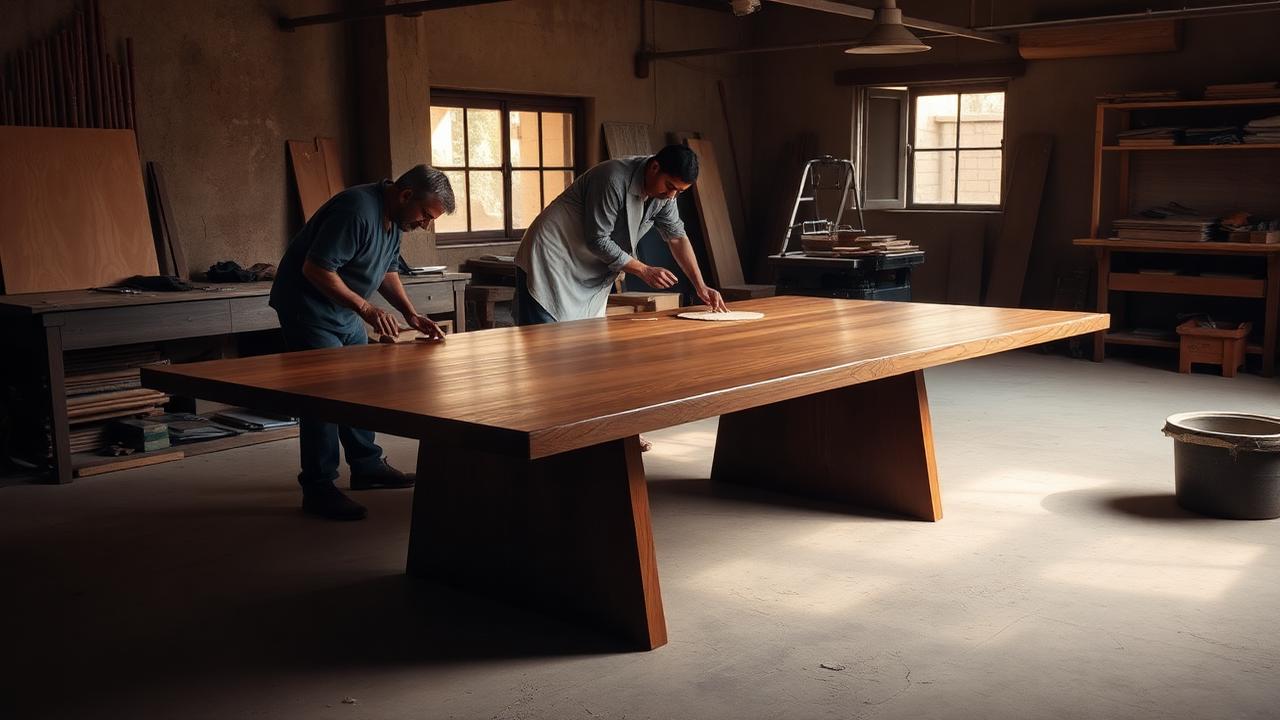
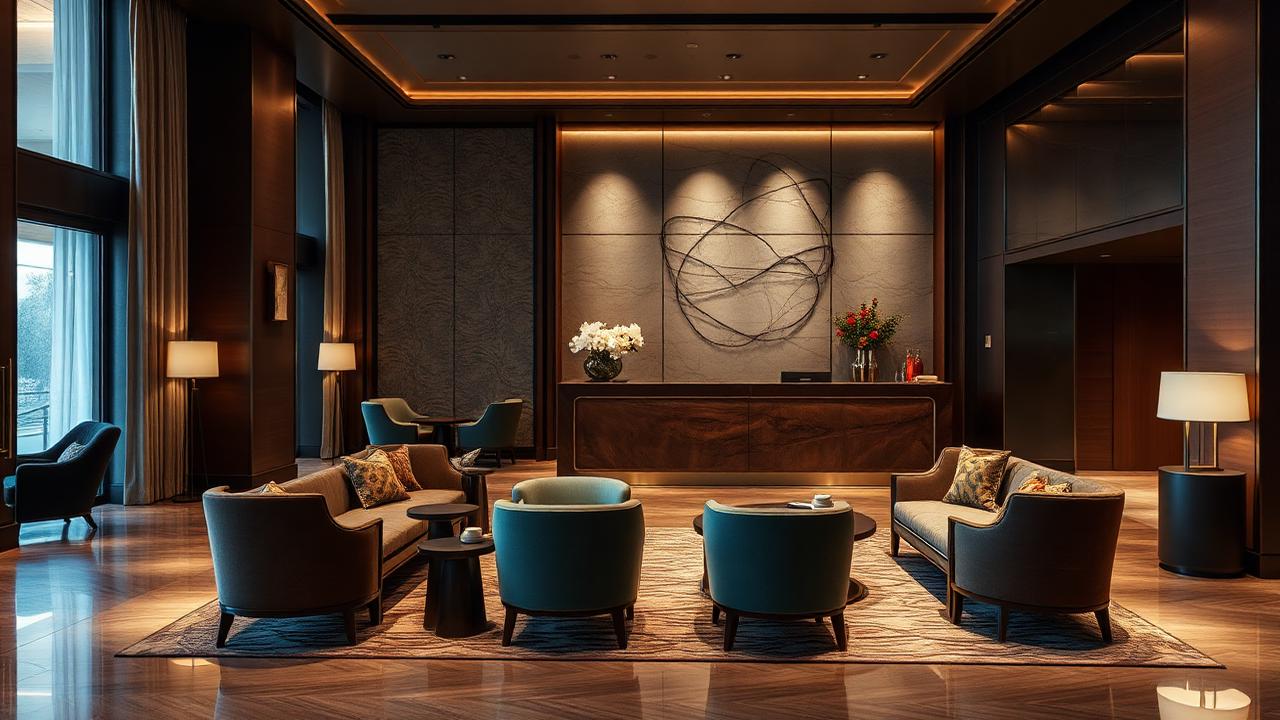
The second is architect-led. You start with a brief — a project, a space, a function, a budget. The manufacturer's design team sketches options, draws elevations, builds prototypes, refines them with you, then produces at scale. It's slower at the front and faster at the back. Most hospitality and contract buyers operate this way because what they need does not exist on anyone's catalog page.
Neither model is better in the abstract. They solve different problems.
WHAT CATALOG-LED ACTUALLY GIVES YOU
A catalog-led supplier optimizes for repeatability. The same SKU, the same finish, the same packing carton, container after container. The advantages are real:
- Price visibility from day one
- Sample available off the shelf
- Short lead times (often 45–60 days vs 90+ for custom)
- Replacement parts and re-orders are straightforward
The trade-offs are also real:
- Your competitor can buy the identical item
- Dimensions, finishes and details are fixed
- The product was not designed for your space, your climate, your end-user
For a furniture e-tailer, a value-tier retailer, or a buyer filling a category gap with a hero SKU, catalog-led is the right answer. Don't pay for what you don't need.
WHAT ARCHITECT-LED ACTUALLY GIVES YOU
An architect-led supplier optimizes for fit. Fit to your brand, your specification, your environment. The deliverables are different from the start:
- A spec sheet (not a brochure page)
- Elevation and section drawings (not a 3/4 product render)
- A material recommendation tied to use case (not a finish chart)
- A prototype built specifically for your program
- A revised prototype after your feedback
- A production master that locks the design
The deliverables map to what hotel groups, restaurant chains, contract dealers and design-led retailers actually buy: not furniture, but specified furniture. Furniture with a drawing. Furniture that matches a procurement document.
THE PRICING DIFFERENCE IS NOT WHAT YOU THINK
A common assumption: architect-led is more expensive than catalog-led. Sometimes true at the SKU level. Often not true at the program level.
Reasons:
- A catalog item is sized for a generic buyer. A custom item is sized for your container. KD optimization alone can cut freight 30–50 percent.
- A catalog item ships with a generic carton. A custom item ships with a carton designed around your retail or installation flow.
- A catalog item has a built-in margin for the supplier's inventory risk. A custom item is made-to-order — that margin line disappears.
The honest comparison is total landed cost per usable unit at destination. Catalog items often look cheaper on the quote and end up more expensive on the floor.
HOW TO TELL WHICH MODEL FITS YOUR PROJECT
A short diagnostic:
Catalog-led probably fits if:
- You need 1–3 containers, fast
- The product category is mature (basic dining chair, standard sofa)
- Your brand does not depend on uniqueness
- Your end use is residential or general retail
Architect-led probably fits if:
- You are sourcing for a hotel, restaurant, office or contract install
- You have an interior designer or architect on the project
- Your end-use environment is specific (outdoor coastal, high-traffic restaurant, tropical resort)
- You need consistency across multiple property roll-outs
- Your buyer is going to ask "where else has this been specified?"
HYBRID IS REAL
The cleanest model for many mid-size buyers is hybrid: catalog for the 70 percent of the order that's generic, architect-led for the 30 percent that defines the brand. A hotel might buy stock outdoor loungers off a catalog and order custom restaurant chairs to a drawing. A retailer might stock five catalog tables and one signature centerpiece designed in-house.
An architect-led supplier should be comfortable doing both. A pure catalog supplier usually cannot scale into custom without slipping on either the drawing quality or the lead times.
HOW TO TEST A SUPPLIER'S CLAIM TO BE ARCHITECT-LED
The phrase gets used loosely. Three questions cut through it fast:
- "Can you send me an elevation and section drawing for one of
your standard SKUs?" If the answer is a render or a brochure page, it's catalog-led with marketing.
- "Walk me through your sampling process from brief to approved
master." If there are not three to five distinct stages, the process is informal.
- "Who signs off on the production master?" If it's the sales
team, the design team has no authority. If it's the design director, you have a real architect-led shop.
Frequently asked
Is D' Emporio catalog-led or architect-led?
Architect-led — the company was founded by two architects and the design discipline shows up in spec sheets, drawings and the sample protocol. Standard catalog purchases are available, but the default offer is custom-to-spec.
What's the minimum quantity for an architect-led program?
Typically 1 x 40' HC for a custom program. Smaller for samples and pilots.
Do you license your designs to other buyers?
No — when a buyer commissions a design, it stays with them.
Statistics referenced in this briefing are drawn from D' Emporio's proprietary research and stakeholder knowledge. The information remains the proprietary information of D' Emporio Global Pvt. Ltd.