
The phrase "Indian wooden furniture" hides four very different timbers that behave very differently in the workshop, on a container floor and in a buyer's home. Get the species choice right and your program ships predictably for years. Get it wrong and you spend the first six months fielding warpage complaints. This briefing maps the four species that move most of India's furniture export volume — plus the secondary ones worth knowing.
For context: India's wooden furniture broad bucket where most dining tables, beds, sideboards and cabinets sit — accounted for roughly INR 474 crore (~USD 57M) of exports in recent months, based on D' Emporio's proprietary research. Most of that volume moves in the four species below.
The four species that move most volume
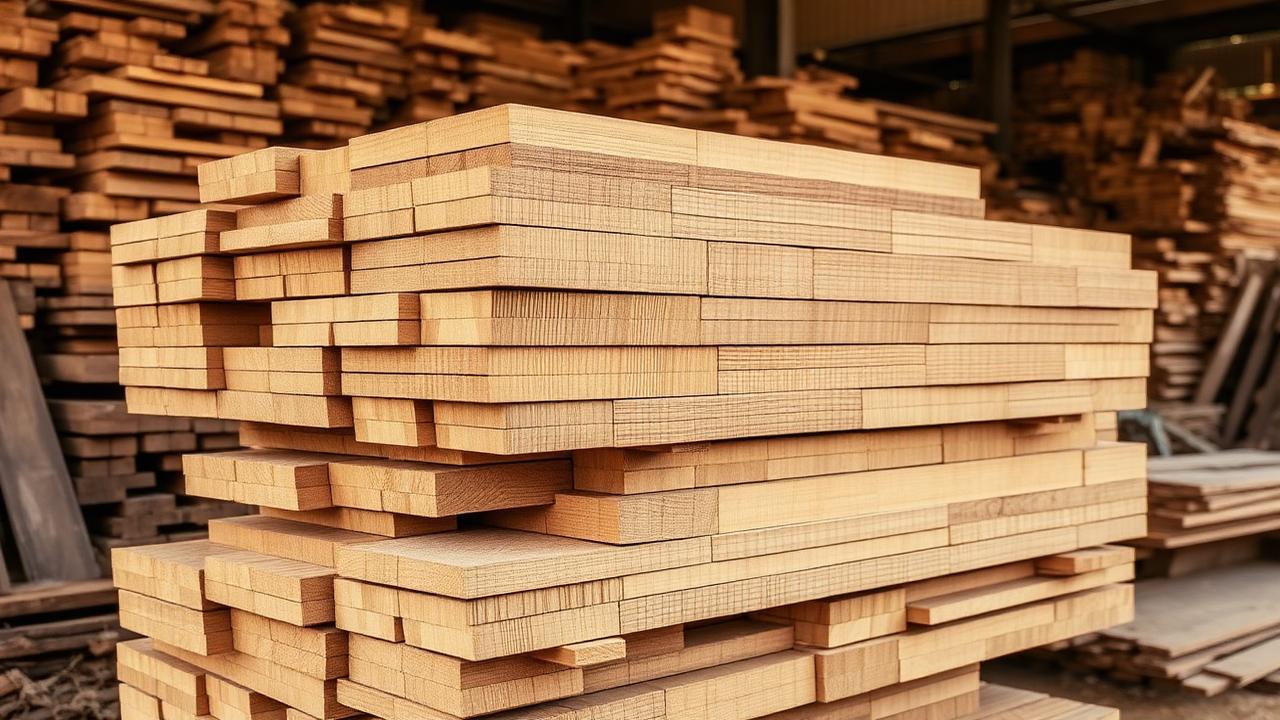
1. Sheesham (Indian Rosewood, Dalbergia sissoo)
- Density / weight class: heavy (around 770–850 kg/m³)
- Colour: warm dark brown with dramatic figure
- Behaviour: extremely stable once kiln-dried and acclimatised; takes high-polish finishes well
- Best for: dining tables, sideboards, executive desks, premium beds
- Watch-outs: not all "sheesham" in the market is the same species — spec the botanical name on the PO
2. Mango (Mangifera indica)
- Density / weight class: medium (around 650–720 kg/m³)
- Colour: golden honey with occasional darker streaks
- Behaviour: workable, takes natural and stained finishes well
- Best for: dining tables, casual living-room pieces, retail marketplace SKUs
- Watch-outs: requires careful kiln-drying or warpage will appear three months in; ask for moisture-content certificates
3. Acacia (Acacia spp.)
- Density / weight class: medium-heavy (~720–800 kg/m³)
- Colour: mid-brown with darker grain lines
- Behaviour: hard, durable, takes oil finishes very well
- Best for: dining tables, outdoor furniture (treated), benches, cutting boards, butcher-block tops
- Watch-outs: grain interlock makes hand-sanding slower; spec for power-sanded finish
4. Teak (Tectona grandis)
- Density / weight class: heavy (~660–720 kg/m³ depending on origin)
- Colour: honey gold weathering to silver-grey if untreated outdoors
- Behaviour: oily, naturally resistant to insects and moisture
- Best for: outdoor furniture, marine applications, hospitality signature pieces, beds
- Watch-outs: plantation teak vs aged Burmese teak are different products with very different prices; spec the source
Secondary species worth knowing
- Rubberwood (Hevea brasiliensis) — plantation timber, light cream colour, very stable when properly kiln-dried, widely used for upholstered furniture frames and KD construction
- Saal (Shorea robusta) — heavy structural timber, less common in export furniture, occasionally used for restaurant tables and bases
- Neem — locally important but rarely in export furniture
- Imported timber — oak, walnut, cherry, ash; Indian factories routinely import these from Europe and North America for buyers who want a familiar species. We do this regularly for US and EU programs
How to spec the right species
Three questions answer most of it:
- Where will the piece live? Dry indoor → most species work.
Outdoor → teak, treated acacia, or hardwood-marine plywood with teak veneer. Humid coastal → teak or rubberwood with appropriate finish.
- What's the budget? Mango and rubberwood are the most
cost-efficient; sheesham and teak sit higher; aged teak is at the top.
- What story is the brand telling? "Made in India, native species"
reads differently to "European oak, finished in India". Both are valid; choose deliberately.
What to ask your supplier
- Botanical name on the spec sheet, not just the common name
- Moisture content at the time of finishing (target 8–12% for indoor furniture)
- Kiln-drying schedule for the timber
- Whether sapwood is included or excluded in visible faces
- FSC chain-of-custody declaration on the invoice if needed
A serious workshop will have answers to all five before you ask.
Frequently asked
Is sheesham furniture suitable for shipment to a dry climate like Arizona or central Europe?
Yes, if kiln-dried to the correct destination moisture content (around 6–8% for very dry climates) and acclimatised before finishing.
Is mango wood durable enough for a contract restaurant program?
For light-to-medium-duty restaurant use, yes — paired with the right finish. For heavy-duty contract, acacia or sheesham is the safer choice.
Can you source European oak or American walnut at the Indian workshop?
Yes — many Indian exporters, including us, import these species and process them at the workshop.
Statistics referenced in this briefing are drawn from D' Emporio's proprietary research and stakeholder knowledge. The information remains the proprietary information of D' Emporio Global Pvt. Ltd.