
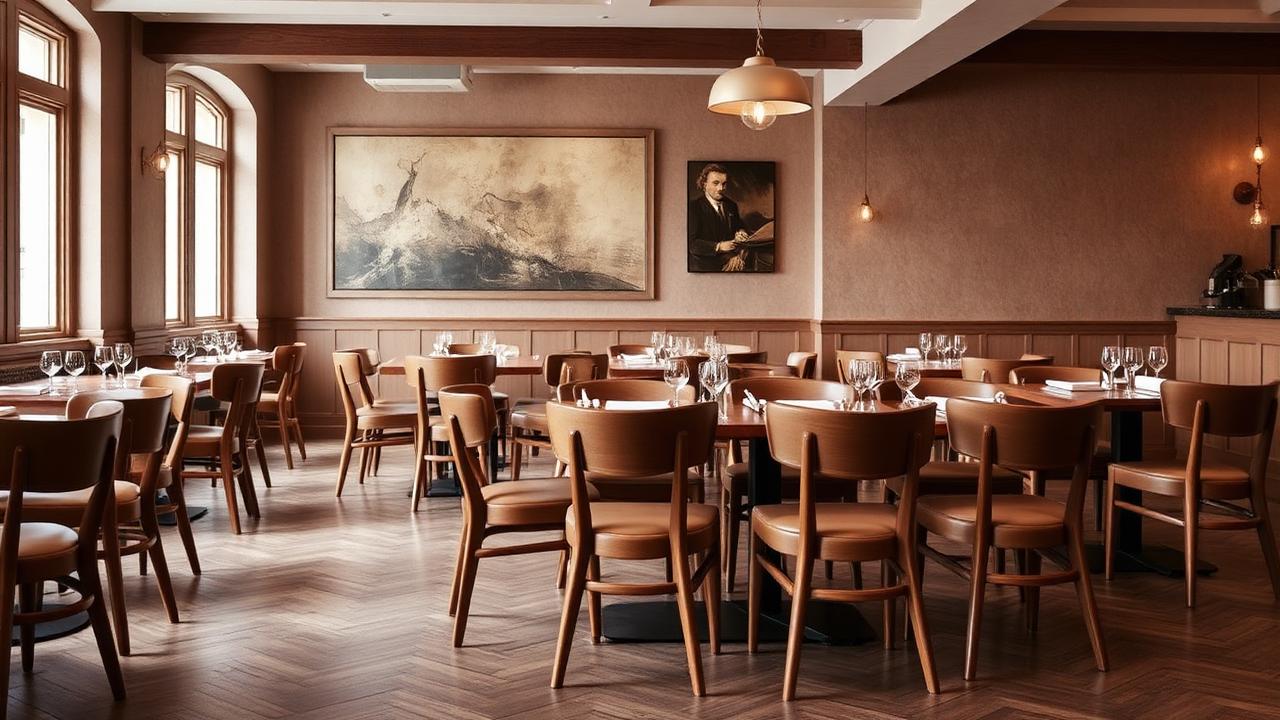
A restaurant chair lives a hard life. It is dragged across tile, sat on by 1,800 different bodies a year, leaned back on, scraped under tables, stacked at closing, washed at the legs and occasionally used as a step. A residential chair lasts six months in a restaurant. This briefing maps the durability standards that separate restaurant-grade chairs from everything else, and what to spec when you order.
The three standards that matter
ANSI/BIFMA X5.1 — General-purpose chairs, with adaptable test patterns for public-area seating. Applies to swivel office chairs primarily but used as a benchmark in the US for contract dining chairs. Tests include front and rear leg strength, drop, vertical load, and back-frame strength.
EN 16139 — The European standard for non-domestic seating. Three duty levels: L1 (light use), L2 (general public use), L3 (severe / extreme use). Restaurant chairs typically need L2 or L3. Tests include seat and back static load, leg forward static load, seat and back fatigue (up to 100,000 cycles), and arm static load.
AS/NZS 4688 — Australian / New Zealand standard for furniture strength and durability. Used by Australian hospitality programs.
The differences between the three are smaller than the differences between "tested" and "untested" chairs.
What separates a tested chair from a residential one
Build differences that survive contract testing:
- Frame joinery: Mortise-and-tenon or dowel-and-glue with steel brackets at stress points, not just screws into end-grain
- Cross-rails (stretchers): Present on all four sides at the legs, not just front-and-back
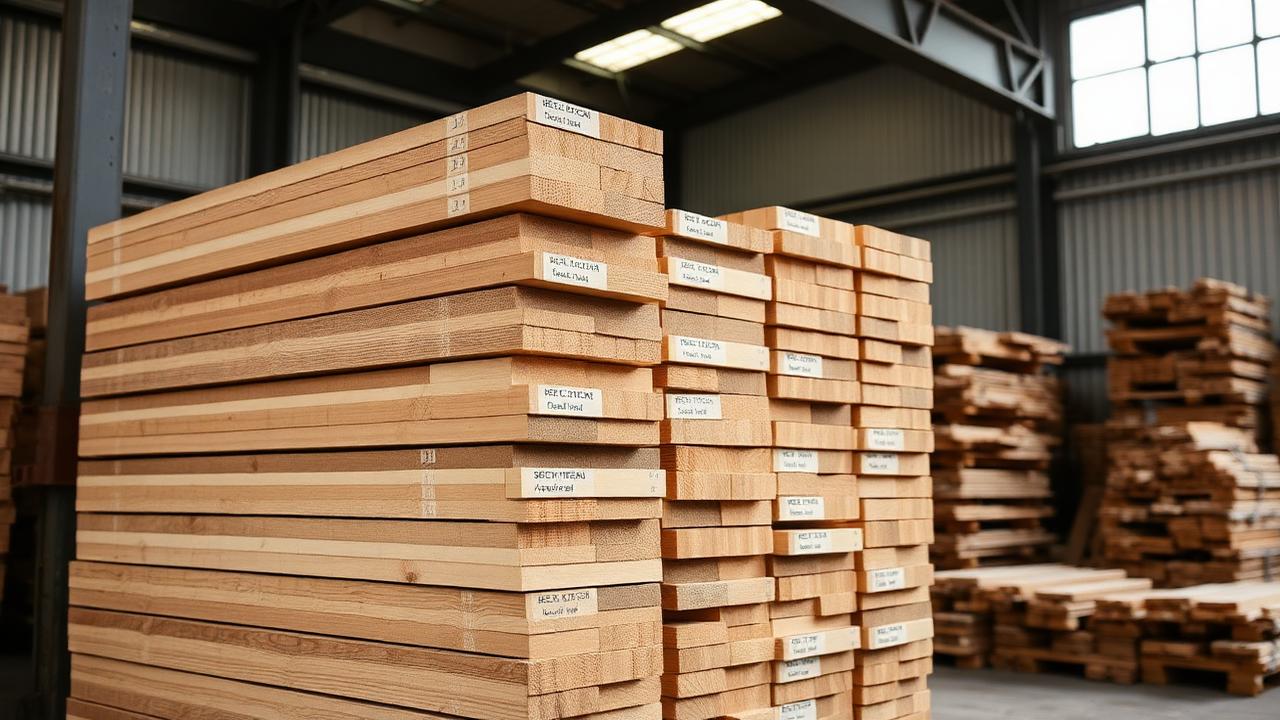
- Wood density: A medium-heavy hardwood (sheesham, acacia, beech, oak), not pine or low-density softwood
- Fasteners: Steel inserts and threaded fixings, not just wood screws
- Finish: Catalyzed lacquer or pre-cat lacquer, not water-based varnish
Visible difference in the finished chair: heavier, slightly chunkier profile, no visible end-grain screw plugs, no flex when you grip the top of the back-rest and twist.
Stackability — the often-missed spec
For restaurant programs, stackability is half the spec. A chair that cannot stack four-high is operationally inferior at closing time.
Engineering decisions that enable stacking:
- Outward leg taper so stack heights nest
- Slight back-rest angle that allows centerline alignment when stacked
- A reinforced bottom rail that takes the load of the chair stacked above
- Optional rubber stack-glides on the top of each chair leg to prevent finish damage
Stackable contract chairs typically lose 10–15% in CBM during stacking versus theoretical "perfectly nested" — design and reality diverge.
Upholstery on restaurant chairs
If the seat is upholstered:
- Foam density: 35–40 kg/m³ minimum for restaurant duty
- Fabric Martindale rub count: 50,000+ for general restaurant, 80,000+ for high-traffic / fast-casual
- Fire retardancy: NFPA 260 (US), BS 5852 (UK), DIN 4102 (DE), or cigarette and match test for AU/NZ
- Stitching: double row at stress edges, lock-stitch finish
- Removable seat: yes, with bolt access from beneath for replacement
What to put on the PO
A restaurant chair PO should specify, at minimum:
- Standard reference (e.g., "Tested to EN 16139 L2")
- Test report attached, dated within 36 months, matching SKU
- Species and target moisture content
- Joinery type
- Stack height (e.g., "stackable to 4-high")
- Foam density, fabric Martindale rating and FR standard
- Finish type and finish coverage layers
- Warranty terms (commercial 2-year is standard, 3-year sometimes)
Common procurement mistakes
- Buying on price without test reports
- Specifying "commercial grade" without a standard reference (the phrase is meaningless without one)
- Specifying fabric without an FR standard
- Forgetting stackability for high-turnover venues
- Skipping the warranty terms
Frequently asked
How long should a contract restaurant chair last?
A properly built and properly maintained EN 16139 L2 chair typically lasts 5–8 years in moderate-traffic restaurant use.
Do you provide third-party test reports?
Yes. We send pieces to NABL-accredited Indian labs and internationally recognised labs for testing.
Can I source residential dining chairs for restaurant use to save money?
Not recommended. The saving is wiped out by replacement cost within 18–24 months.
Statistics referenced in this briefing are drawn from D' Emporio's proprietary research and stakeholder knowledge. The information remains the proprietary information of D' Emporio Global Pvt. Ltd.